
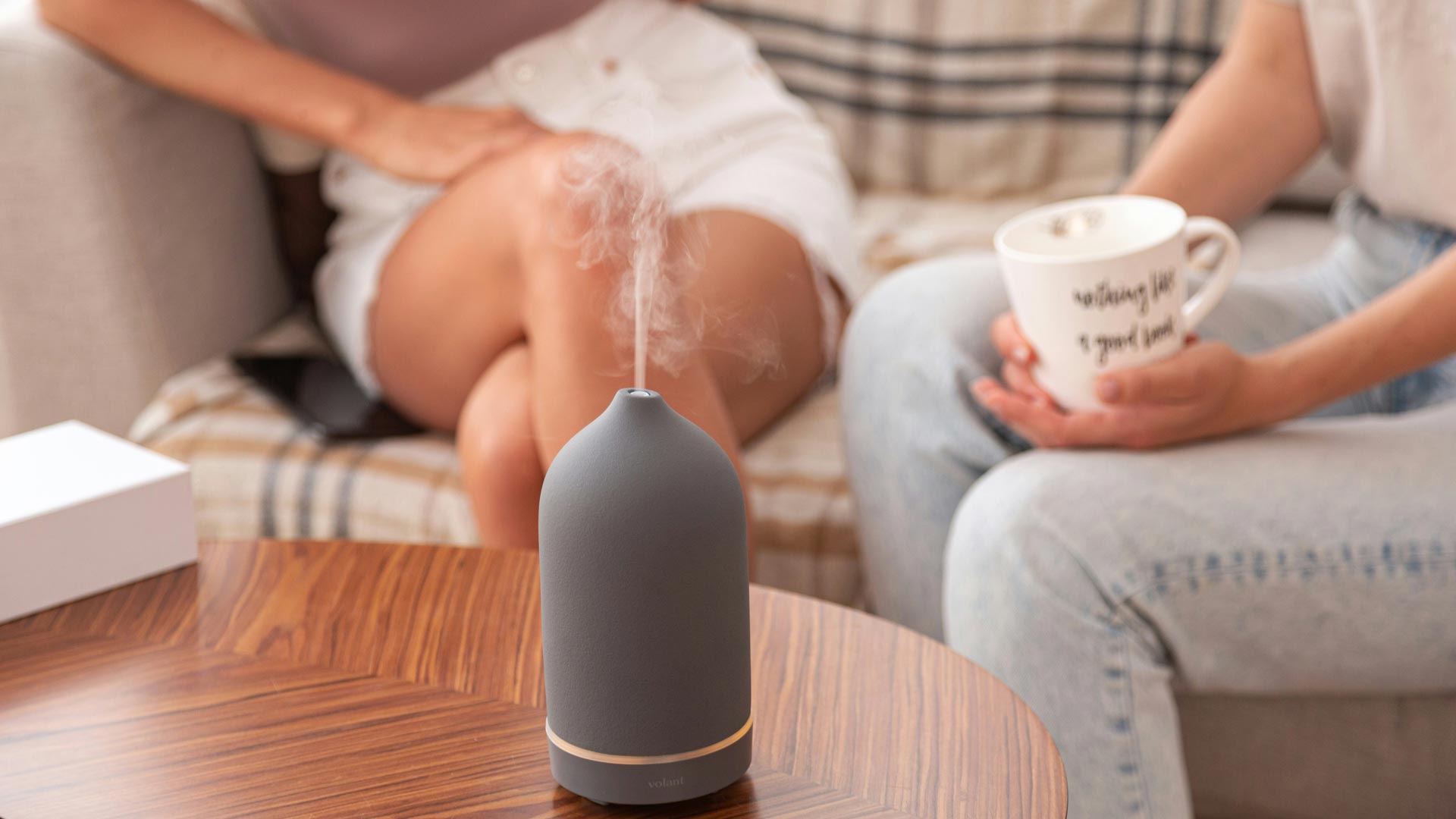
In restaurants, success is about more than just good food. From the moment customers enter, they notice everything: lighting, cleanliness, service, and especially scent. Smell is a strong trigger for appetite, emotion, and memory, making it key to the customer experience.
That’s why many restaurants use aroma diffusers to control the atmosphere, make guests feel comfortable, and boost their brand image. A good scenting system helps create a balanced setting that supports both the meal and customer satisfaction.
Unlike regular air fresheners, commercial aroma diffusers spread fragrance evenly and consistently, making them ideal for busy restaurants.
What Is an Aroma Diffuser for Restaurant Use?
A restaurant aroma diffuser is a professional scenting system that spreads fragrance oils evenly throughout dining areas, kitchens, and spaces where customers gather.
These systems are commonly used in:
- Dining halls and seating areas
- Restaurant entrances and waiting zones
- Restrooms and corridors
- Bar and lounge sections
- Open kitchen environments
When used correctly, an aroma diffuser keeps the scent subtle so it supports the dining experience without getting in the way of food aromas.
Why Scent Matters in Restaurants
Scent has a direct impact on how people judge taste and quality. Even before their food arrives, customers use smell to sense freshness, cleanliness, and comfort.
A well-managed scent environment can:
- Increase appetite perception
- Improve customer mood and comfort
- Strengthen brand identity
- Enhance perceived cleanliness
- Encourage longer dining stays.
- Improve repeat visits
Studies on restaurant scent marketing show that fragrance affects emotions and can make customers stay longer, which often leads to more spending.
In today’s competitive restaurant scene, scent is a key part of the customer experience, not just a background detail.
How an Aroma Diffuser for a Restaurant Works
Modern restaurant diffusers use advanced methods to spread scent evenly and keep it under control.
Most commercial systems use cold-air diffusion, turning fragrance oils into tiny particles without heat or water. These particles stay in the air longer, keeping the scent consistent.
Key characteristics include:
- No heat or combustion used
- No water dilution required
- Even distribution across large areas
- Adjustable intensity settings
- Programmable timing controls
This helps restaurants keep the scent steady during service without making it too strong.
Key Benefits of Using Aroma Diffusers in Restaurants
1. Enhanced Customer Dining Experience
A pleasant scent makes the space feel welcoming and comfortable. Guests are more likely to enjoy their meal in a place that smells fresh and balanced.
2. Stronger Appetite and Mood Influence
Scent is closely tied to appetite and mood. Some fragrances can gently boost dining enjoyment and help guests feel more relaxed.
3. Improved Brand Identity
Restaurants can use signature scents to build a unique identity. Over time, customers start to connect a certain fragrance with their dining experience, making the brand more memorable.
4. Odor Management in Busy Kitchens
Cooking, frying, and food prep naturally create strong smells in restaurants. Without good control, these odors can drift into dining areas.
A commercial diffuser helps balance and neutralize unwanted smells, keeping the space fresher for guests.
5. Increased Customer Dwell Time
When the scent is pleasant, customers often stay longer, which can lead to more orders like desserts, drinks, or appetizers.
Best Fragrance Types for Restaurants
It’s important to pick a scent that works well with food aromas and doesn’t overpower them.
Fresh and Clean Scents
- Citrus blends
- Light green tea
- Ocean breeze
Best for: casual dining, cafes, and fast-casual restaurants
Warm and Appetite-Friendly Scents
- Vanilla
- Cinnamon
- Light spice blends
Best for: bakeries, dessert shops, and cozy dining environments
Neutral Luxury Scents
- White tea
- Soft woody notes
- Light musk blends
Best for: fine dining and upscale restaurants
Common Mistakes to Avoid
Overpowering the Dining Space
Strong scents can get in the way of how food tastes and make the dining experience less enjoyable.
Using Low-Quality Oils
Artificial or harsh scents can hurt your brand’s image and make customers uncomfortable.
Poor Diffuser Placement
If the diffuser isn’t placed correctly, some seating areas might not get enough scent while others get too much.
Ignoring Kitchen-Air Balance
Scenting should work with natural food aromas, not compete against them.
Why Restaurants Prefer Professional Diffusion Systems
Commercial-grade systems have benefits that regular air fresheners just can’t offer:
- Large-area coverage for dining spaces
- Adjustable scent intensity control
- Programmable operating schedules
- Integration with ventilation systems
- Long-term operational consistency
These features help restaurants keep the atmosphere just right for both enjoying food and making guests comfortable.
Final Thoughts
An aroma diffuser in a restaurant is more than just an accessory. It’s a smart way to shape the dining experience, improve the atmosphere, and build a stronger brand.
When used well, scent makes customers more comfortable, boosts their appetite, and helps create a memorable atmosphere that brings them back.
Today, restaurant success isn’t just about taste. It’s about the whole sensory experience, and scent is a big part of that.