
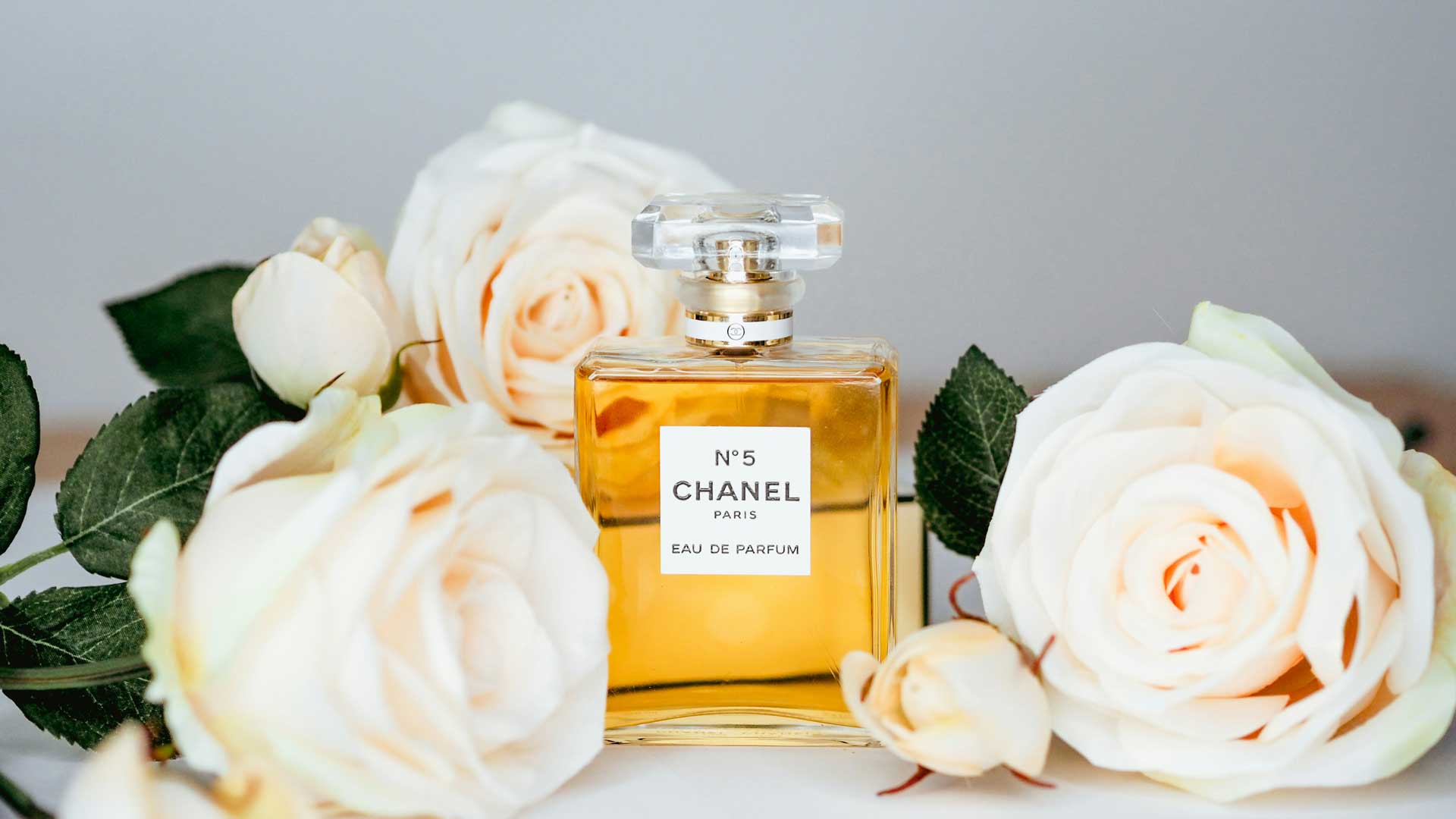
Fragrance is now a key part of shaping customer experiences, building brand identity, and making environments more memorable. More businesses in hospitality, retail, healthcare, residential, and corporate settings are realizing that scent can influence emotions, behavior, and perception in unique ways.
Choosing the right fragrance for a business is not always easy. Things like customer demographics, space design, environmental factors, and brand personality all affect how a scent works. That’s why many organizations use free fragrance samples to test scents before making a big commitment. Sampling helps businesses try out options, get feedback, and make better decisions with less risk.
Why Fragrance Selection Is So Important
Our sense of smell is closely linked to the parts of the brain that handle emotions and memories. Unlike sights or sounds, scents can trigger quick emotional responses and lasting memories.
Research in consumer behavior and sensory marketing suggests that fragrance can influence:
- Customer satisfaction
- Brand recognition
- Emotional engagement
- Purchasing behavior
- Perceived quality
- Environmental comfort
- Customer retention
Since fragrance has a strong effect on how people feel, more businesses now see scent as an important part of the customer experience.
What Are Free Fragrance Samples?
Free fragrance samples are small amounts of scent given to businesses so they can try them out before starting a scenting program. These samples let businesses see how a fragrance works in real situations and decide if it fits their goals.
Sampling formats may include:
- Individual fragrance vials
- Scent strips
- Diffuser cartridges
- Fragrance oil samples
- Discovery collections
- Trial scent kits
- Environmental fragrance samples
The main purpose of fragrance sampling is to give businesses a chance to try scents themselves before making a long-term choice.
Why Businesses Request Fragrance Samples
Choosing a fragrance just from descriptions or recommendations can be hard, since people and places experience scents differently.
Businesses often utilize sampling programs to:
- Compare multiple fragrance profiles
- Evaluate scent quality
- Test environmental performance
- Gather customer feedback
- Assess fragrance intensity
- Verify brand compatibility
- Reduce implementation risk
Trying out fragrances in real business settings often gives insights you can’t get from catalogs or online descriptions.
The Role of Fragrance in Customer Experience
Today, businesses understand that customer experiences involve many senses at once. Fragrance can strongly affect how people see a place and connect with a brand.
Creating Emotional Connections
Certain fragrances can evoke emotions such as:
- Comfort
- Relaxation
- Excitement
- Luxury
- Trust
- Wellness
- Sophistication
These feelings can help build stronger customer relationships and create more memorable experiences.
Strengthening Brand Identity
A signature scent can reinforce brand values and personality traits, including:
- Professionalism
- Innovation
- Hospitality
- Elegance
- Freshness
- Exclusivity
- Warmth
With time, customers may start to link certain scents with a specific business or place.
Improving Environmental Perception
Fragrance can influence perceptions of:
- Cleanliness
- Comfort
- Quality
- Safety
- Attention to detail
- Overall atmosphere
These impressions often influence how satisfied customers feel and how loyal they are to a brand.
Types of Fragrance Samples Available
Most commercial fragrance companies offer a variety of sample options.
Scent Strip Samples
Scent strips provide an initial introduction to fragrance profiles.
Benefits include:
- Quick evaluation
- Easy comparison
- Convenient testing
- Low-cost assessment
- Simple distribution
But scent strips might not show exactly how a fragrance will work in a real business setting.
Liquid Fragrance Samples
Liquid samples allow businesses to evaluate fragrance characteristics more thoroughly.
These samples can help assess:
- Longevity
- Fragrance complexity
- Intensity
- Environmental interaction
- Customer preferences
Diffuser Trial Samples
Many commercial fragrance programs provide samples designed specifically for professional diffusion systems.
These trials allow businesses to evaluate:
- Airborne performance
- Space coverage
- Scent consistency
- Environmental compatibility
- Customer response
This method often provides the most accurate assessment of fragrance performance.
Discovery Collections
Discovery programs typically include multiple fragrances within a curated selection.
Benefits include:
- Side-by-side comparisons
- Broader fragrance exploration
- Improved decision-making
- Greater customization opportunities
- Enhanced customer feedback collection
These programs are now more popular for choosing scents in commercial settings.
Factors to Consider When Evaluating Fragrances
Several variables influence how fragrances perform in commercial spaces.
Building Size
Environmental size affects:
- Fragrance intensity
- Distribution patterns
- Coverage requirements
- Customer exposure levels
Big spaces often need different types of fragrances than smaller ones.
Customer Demographics
Customer preferences may vary based on:
- Age groups
- Cultural backgrounds
- Regional influences
- Industry expectations
- Consumer behaviors
Knowing your audience makes it easier to pick the right fragrance.
Environmental Conditions
Fragrance performance may be affected by:
- Temperature
- Humidity
- Air circulation
- Ventilation systems
- Occupancy levels
- Seasonal changes
Testing fragrances in real working conditions gives the most reliable results.
Brand Objectives
Businesses often evaluate fragrances based on questions such as:
- What emotions should customers experience?
- What values should the environment communicate?
- How should visitors remember the experience?
- What atmosphere best supports the brand?
Thinking about these factors helps businesses make smart scent choices.
Industries That Benefit from Fragrance Sampling
Many industries utilize fragrance testing before implementing environmental scent programs.
Hospitality Industry
Hotels and resorts often evaluate fragrances for:
- Hotel lobbies
- Guest rooms
- Spa facilities
- Restaurants
- Conference areas
- Fitness centers
Guest experience considerations frequently influence fragrance selection.
Retail Businesses
Retail environments often test fragrances to support:
- Customer engagement
- Brand recognition
- Shopping experiences
- Product perception
- Keeping customers coming back
Healthcare Facilities
Healthcare organizations may evaluate fragrances to improve:
- Patient comfort
- Visitor experiences
- Wellness environments
- Environmental calmness
- Indoor air quality perception
Corporate Offices
Businesses increasingly test fragrances to enhance:
- Employee experiences
- Workplace comfort
- Visitor impressions
- Corporate identity
- Environmental quality
Residential Communities
Property managers often evaluate fragrances for:
- Leasing offices
- Clubhouses
- Fitness centers
- Resident lounges
- Common areas
The way a place smells often affects how happy residents are.
The Future of Commercial Fragrance Evaluation
As sensory branding and customer experience strategies continue evolving, fragrance selection methods are becoming increasingly sophisticated. Advances in consumer analytics, environmental monitoring, artificial intelligence, and scent technology are helping businesses make more informed fragrance decisions. Personalized scent experiences and data-driven fragrance strategies may play an even greater role in future commercial environments.
The growing importance of experiential branding suggests that free fragrance samples will remain an essential part of commercial scent selection. By testing fragrances before implementation, businesses can create memorable environments that strengthen brand identity, improve customer experiences, and build lasting emotional connections.