
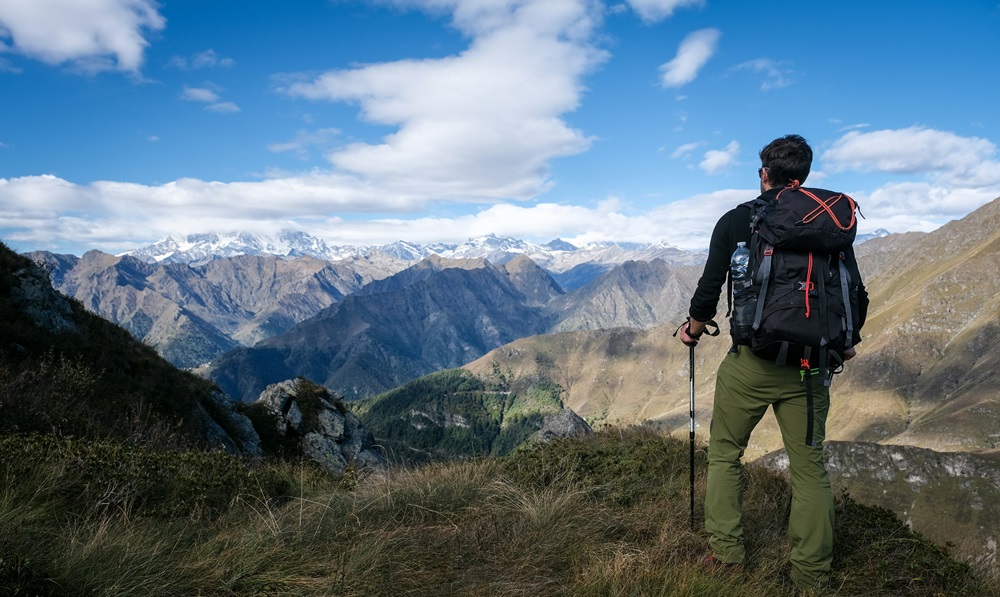
If you’re picking hiking pants men can wear on long treks, you’ll need fabric that breathes in the heat but doesn’t tear on the first rock scramble. That’s a tougher balance than it sounds.
Most pants lean too far one way, leaving you sweaty or shredded. Here’s how to find the middle ground.
What Fabric Actually Balances Breathability and Durability?
A nylon-spandex blend with a denier rating between 70 and 150 gives you the best mix of airflow and toughness.
Denier measures how thick each individual fiber is. The higher the number, the thicker and stronger the thread, and the more weight and stiffness you’re carrying too.
Standard weight fabrics ranging from 40 to 80 denier are commonly found in jackets and tents, offering a balance between durability and weight, while heavier gear built to survive serious abuse often climbs past 100 denier.
For pants specifically, you want something in between. Several trail-tested options now use 90-denier ripstop nylon with added spandex, which keeps you nimble while standing up to stains and snags.
That number isn’t random. Go much lower and you risk tears on loose scree or thorny brush. Go much higher and the fabric turns stiff, heavy, and hot.
Ripstop weaving matters just as much as denier. This technique adds reinforced threads in a grid pattern, so even if something pierces the fabric, the tear stops at the next reinforced line instead of spreading across the whole leg.
How Does Denier Affect Comfort on a Long Hike?
Lower denier fabric breathes better and weighs less, but it wears out faster under repeated friction from packs, rocks, and branches.
Think of denier on a sliding scale. Low-denier fabrics offer lightweight comfort, flexibility, and softness but have lower abrasion resistance, while high-denier fabrics deliver maximum durability and longevity at the cost of heavier weight and stiffer texture. Neither extreme works well for a full day on the trail.
This is why most quality hiking pants land in the 70 to 100 range rather than chasing ultralight 20-denier fabric or rugged 600-denier canvas.
You get fibers thick enough to survive brush and rock contact, paired with a weave loose enough to let air pass through.
Here’s a simple breakdown of what different denier ranges typically deliver:
| Denier Range | Best For | Trade-off |
| 10D to 20D | Ultralight shells, minimal-weight gear | Tears easily on rough terrain |
| 40D to 80D | Everyday hiking pants, jackets | Good balance, moderate lifespan |
| 90D to 150D | Long treks, bushwhacking, scrambling | Slightly heavier, very tough |
| 600D and up | Tactical or heavy-duty gear | Stiff, hot, not made for all-day wear |
Your trek length and terrain should decide where you land on that scale. A groomed day hike doesn’t need the same armor as a multi-day route through dense brush.
What Other Features Help Hiking Pants Perform Better?
Stretch panels, gusseted crotches, and a water-repellent finish matter just as much as the base fabric.
A pair of pants can have great denier and still feel restrictive if the cut doesn’t move with you.
A gusseted crotch paired with articulated knees gives you a real range of motion, which becomes noticeable the moment you’re stepping over a boulder or climbing a steep switchback.
Spandex content also plays a bigger role than people expect. Pants blending around 86 percent nylon with 14 percent spandex tend to stretch in four directions instead of just two, so your legs aren’t fighting the fabric on every big stride.
A few other details worth checking before you buy:
- A drawcord or adjustable waistband keeps the fit secure under a loaded pack.
- A durable water repellent finish sheds light rain and morning dew without trapping heat the way a full waterproof shell would.
- Zippered or gusseted vents near the thigh add extra airflow on hot climbs without sacrificing coverage.
Does Nylon or Polyester Work Better for Hiking Pants?
Nylon generally outperforms polyester for abrasion resistance, while polyester holds color and shape slightly better over time.
Nylon is recognized for superior strength and abrasion resistance, while polyester is valued more for UV resistance and low water absorption.
For pants that take direct contact with rocks, branches, and packs all day, nylon is usually the safer bet.
That said, plenty of hiking pants now blend both fibers along with spandex to capture strengths from each material.
A nylon-heavy blend with a small percentage of polyester or spandex often performs better than either fiber alone, since you get nylon’s toughness without losing stretch or breathability.
One thing worth remembering: fabric blend matters more than brand name. Two pairs with similar price tags can perform very differently depending on the percentage breakdown printed on the tag.
How Should You Match Pants to Your Trek Length?
Shorter day hikes can use lighter, lower-denier fabric, while multi-day treks call for sturdier, higher-denier material that can handle repeated wear.
A weekend day hike on a maintained trail rarely needs the same toughness as a five-day backcountry route.
If you’re sticking to clear paths, lighter fabric in the 40 to 70 denier range keeps you cool without much risk.
Once you’re bushwhacking, scrambling over rock, or wearing the same pants for several days straight, moving up toward 90 to 150 denier protects against the wear that adds up over time.
Pack weight also factors in here. Heavier fabric adds ounces you’ll carry the entire trip, so it’s worth weighing comfort against your actual mileage and terrain before assuming heavier always means better.
Frequently Asked Questions
What denier is best for hiking pants?
Most hikers do well with 70 to 100 denier nylon blends. This range holds up to regular trail wear while staying light enough for all-day comfort.
Are nylon hiking pants better than cotton?
Yes, nylon dries faster, resists abrasion better, and weighs less than cotton. Cotton soaks up moisture and stays wet, which can lead to chafing on longer treks.
Do hiking pants need to be waterproof?
Not usually. A water-repellent finish sheds light rain and dew, while full waterproof fabric tends to trap heat and reduce breathability during active hiking.
How tight should hiking pants fit?
They should fit close enough to avoid excess fabric snagging on brush, but loose enough to allow a full range of motion at the knee and hip.
Can the same pants work for summer and winter hikes?
A midweight nylon-spandex blend works for most three-season hiking. Winter treks in snow or freezing temperatures usually call for a separate insulated layer underneath.
Choosing the right fabric blend and denier range makes a bigger difference than most people expect once the miles start adding up.
Whatever trail you’re headed to next, the right pair of hiking pants men trust for long treks comes down to matching fabric weight to the terrain ahead.